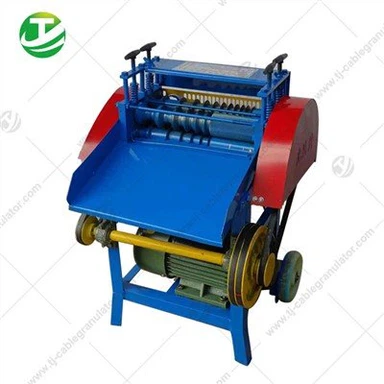
How To Maintain A Copper Wire Recycling Machine?
Jan 28, 2026
I. Daily Maintenance: Before Start-up, During Operation, and After Work
1. Pre-Start-up Inspection (First Check):
Check Screws: Check all fasteners for looseness.
Check Components: Inspect the drive belt, blades, screen, etc., for abnormal wear or damage.
Listen to Sounds: Manually rotate the machine and listen for any abnormal noises.
2. During Operation (Second Listen):
Listen attentively: Pay attention to any abnormal noises from the bearings, motor, and crushing chamber (such as impact sounds or sharp friction sounds).
Observe Status: Note whether the current and voltage are stable and whether there is any severe vibration.
3. Post-Work Cleaning (Third Clean):
Thoroughly Clean the Machine: Promptly clean any residual material inside the machine chamber to prevent adhesion and reduced efficiency.
Clean the Dust Collection System: Regularly clean the filter bags to prevent clogging.
II. Regular Maintenance: Lubrication, Tightening, and Adjustment
1. Lubrication Management:
Bearings: Add grease regularly according to usage frequency (e.g., every half month or every 10 working hours).
Gears and Chains: Regularly check lubrication and replenish or replace lubricating oil as needed.
2. Replacement of Wear Parts:
Cutting Tools: Regularly check wear and grind or replace as needed.
Screen: Clean regularly; replace if severely clogged.
3. Component Tightening and Adjustment:
Tightening Screws: Regularly check and tighten all loose screws.
Adjusting Drive Belt: Ensure proper tension.
III. Common Fault Prevention and Handling
1. Blockage: If the feed inlet or screen is blocked, immediately stop the machine and clean it. Check if the feed wire specifications are compatible.
2. Poor Separation Effect: Check and adjust the air speed, screen aperture, and cutting tool wear.
3. Excessive noise: Check bearings, belts, and anchor bolts for looseness or damage.
IV. Summary of Maintenance Points
1. Prevention is key: Regularly inspect, lubricate, tighten, and replace easily worn parts.
2. Standardized operation: Feed materials evenly and avoid overloading.
3. Record management: Establish maintenance records and track equipment status.