


What Is Magnetic Separator?
A Magnetic Separator machine is an industrial equipment that uses a magnetic force to separate magnetic materials from non-magnetic ones. Its primary purpose is to protect other equipment (like crushers, shredders, or milling machines) from damage, remove ferrous contaminants, and purify powder and other materials.
High efficiency
Wet drum magnetic separators boast remarkable efficiency in separating fine magnetic particles from liquids or slurries. The strong magnetic field generated by the system ensures maximum attraction and separation capacity, resulting in an enhanced recovery of valuable minerals.
Versatility
These separators find applications in a wide range of industries, including mining, ceramics, chemicals, and more. They can effectively extract and purify minerals such as magnetite, ferrosilicon, hematite, ilmenite, and other strongly magnetic materials.
Continuous operation
Wet drum magnetic separators are designed for continuous operation, ensuring a constant flow of materials through the separator. This feature leads to uninterrupted processing and reduced downtime, resulting in higher productivity and cost-effectiveness.
Adjustable parameters
Operators can adjust the magnetic intensity to suit specific requirements of the materials being processed. This flexibility allows for tailoring the separation process to achieve optimal results, even when dealing with varying feed characteristics.
Low maintenance
With fewer moving parts, wet drum magnetic separators generally require less maintenance, reducing the overall operating costs for mining companies and other industries.
-
![Copper Cable Separator Granulator]()
Copper Cable Separator Granulator
Add to Inquiry -
![Copper Wire Separator Machine]() Add to Inquiry
Add to Inquiry -
![Magnet Separator]() Add to Inquiry
Add to Inquiry -
![Magnet Machine]() Add to Inquiry
Add to Inquiry


Why Choose Us
Our equipment
Wuxi Tengjian Machinery Manufacturing Co., Ltd., the main products include copper wire machines, dry powder and mixed wire copper wire machines, hydraulic punching machines and wire stripping machines.
Wide range of applications
Applicable to various automotive circuits, motorcycle circuits and other waste wires that are not suitable for wire stripping machines.
Quality control
Our professional quality control team will conduct comprehensive inspections. Whether it is a comprehensive inspection for high-priority orders or a random component inspection, we will do our best to ensure that you receive the highest quality products.
After-sales service
We are always at your service. We provide technical support to solve any operating problems you May encounter and provide warranty certificates for your peace of mind.
Types of Magnetic Separator
Eddy current
An eddy current separator utilizes a rotating magnetic field to generate currents (called eddy currents) in conductive materials. When conductive materials pass through this magnetic field, the eddy currents induce a magnetic field in the material, causing repulsion and deflecting the material away from the separator.
Eddy current separators are commonly used to separate non-ferrous metals, such as aluminum and copper, from non-metallic materials in recycling applications.
Suspension
Suspension magnetic separators are designed to suspend over a conveyor belt or chute to remove ferrous contaminants from the flow of materials. They typically consist of a magnetic pulley or plate suspended above the conveyor belt, which attracts and lifts ferrous materials out of the product stream. Suspended magnetic separators are widely used in mining, recycling, and bulk handling industries to remove tramp iron from conveyed materials.
Conveyor belt
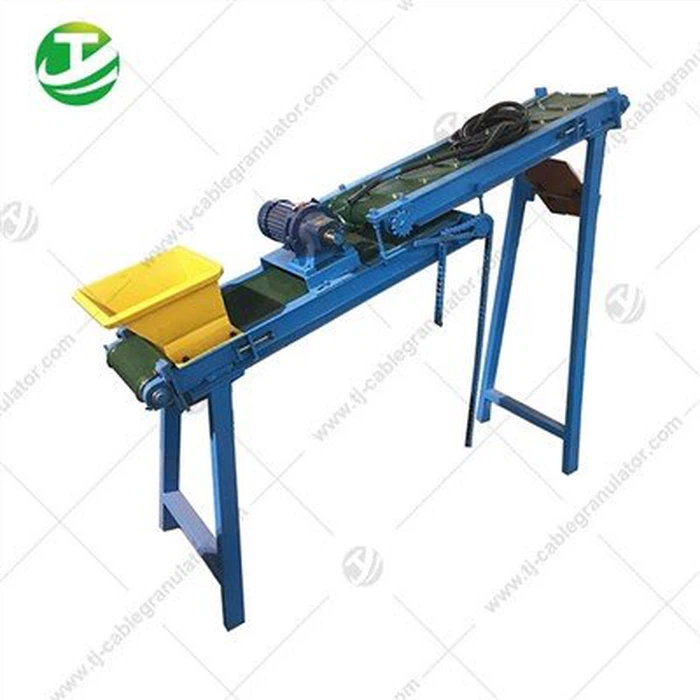
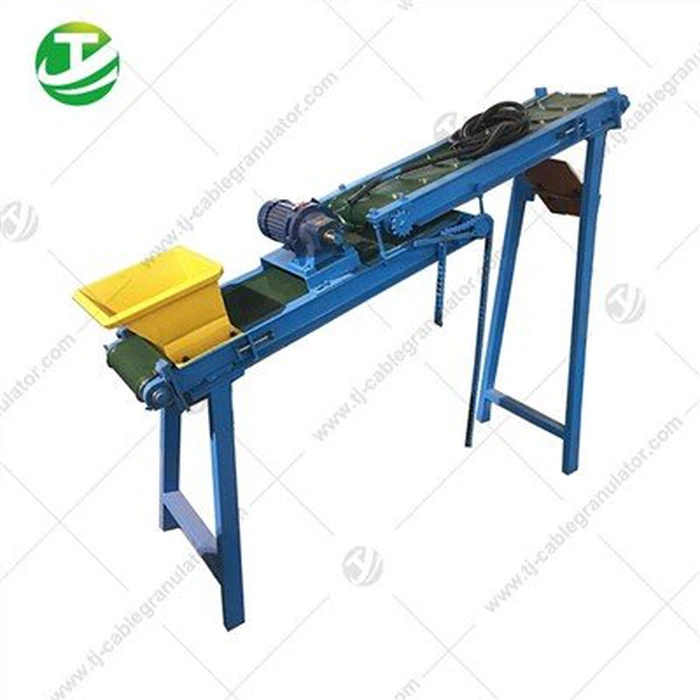
Conveyor belt magnetic separators are installed directly onto conveyor belts to remove ferrous contaminants from the conveyed material continuously. They consist of a stationary magnetic assembly mounted over or under the conveyor belt and a belt running over the magnetic assembly. As the conveyor belt moves, the magnetic field attracts ferrous materials and separates them from the non-ferrous material stream.
Drum
Drum magnetic separators consist of a rotating drum containing a magnetic element, typically rare earth magnets.
The rotating drum continuously moves through the material stream, attracting and separating ferrous materials from non-ferrous ones. Drum magnetic separators are commonly used in mineral processing, coal preparation, and recycling to separate magnetic from non-magnetic materials.
Application of Magnetic Separator
Pharmaceuticals
Most people don't realize that pharmaceutical facilities can have ferrous particles in their products. There are a number of possibilities for the small metal particles, but what's important is that the facility gets those particles out efficiently. If you work in the pharmaceutical industry, we don't need to tell you that metal bits are unacceptable in pharmaceutical drugs. Separating your product from contaminants is a standard process and with the aid of a magnet, as it allows you to separate metal contaminants with ease.
Food processing
Much like the pharmaceutical industry, nobody wants to consume foods contaminated with metal. If food processing facilities didn't adopt magnetic separation, the result on people's health and wellness could be catastrophic. To be frank, a food processing facility that doesn't implement magnetic separation is opening themselves up to recalls and lawsuits. If you work in a food manufacturing facility or agriculture, you know that recalls and lawsuits can be detrimental to your finances and your company's recognition.
Scrap yards
Unsurprisingly, scrap yards handle tons of ferrous and non-ferrous materials, both of which are vital to the business's success. Depending on the scrap yard's location, they may have a lot of ferrous metal, a lot of non-ferrous metal, or a mixture of the two. From a business standpoint, most scrap yards want non-ferrous metals because there's less supply, which generally makes them more valuable. With the aid of a quality magnetic separator or a material handler magnet, you can easily separate ferrous metals from non-ferrous metals.
What Are the Magnets of Magnetic Separator?
Bar magnets are permanent, non-electromagnetic devices that have a wide range of uses. They are used to remove ferrous contaminants from small, shallow flowing powders, granules, fibers, and liquids.
Plate magnets are used on the bottom of inclined chutes or suspended above conveyors or stainless steel vibrating feeders. They are used to remove occasional ferrous contaminants from product lines, especially large pieces of metal such as nuts, bolts, or staples in dry products.
Grid magnets have magnetic tubes designed in a grid pattern that allow the flow of material to pass through the grid. They spread magnetic protection through the cross-sectional area of equipment such as pipes or hoppers. They can be used to remove fine or relatively large metal contaminants.
Liquid line catcher magnets are catchers with tubular magnets inside, designed with inlets to match existing pipes. The magnets collect metal fragments such as baling wire or staples.
Pneumatic line magnets suck metal fragments out of products such as starch, milk powder, and flour as they flow through pneumatic lines.
Suspension magnets are suspended above conveyors and remove metal fragments from the material as it passes under the magnets. They can remove large pieces of metal and protect equipment such as crushers from damage.
Differences Between Dry Magnetic Separator and Wet Magnetic Separator
Dry magnetic separator is the mainstream of magnetic separation equipment, which is also used for industrial low-intensity magnetic separation equipment earlier. It is suitable for arid areas and can separate large and coarse ore with strong magnetism as well as fine ore with weak magnetism through simple process. Common dry magnetic separation equipment includes: dry low-intensity magnetic field magnetic separator (in addition to ironware and magnetic pulley) and dry high-intensity magnetic field magnetic separator (induction roller magnetic separator, dry electromagnetic disc type high-intensity magnetic separator and dry roller magnetic separator).
Dry magnetic separator has high requirements on the material. The material that needs to be separated should be dry with an independent and free form, otherwise the separation effect will be affected. In addition, the efficiency of dry magnetic separators is mainly restricted by three factors: roller speed, baffle position and ore size.
Wet magnetic separators are industrial magnetic separators widely used in iron ore concentrators. They can not only be used for separation operation but also replace the magnetic dewatering tank as the concentration equipment before filtration. The process is complicated, and water is needed as the medium for separation. The common wet magnetic separator includes wet low-intensity magnetic separation equipment (magnetic dewatering tank) and wet high-intensity magnetic separation equipment (wet induction roller type high-intensity magnetic separator, Jones type high-intensity magnetic separator and flat ring magnetic separator). According to the tank structure, wet magnetic separators can be divided into the current wet magnetic separators, countercurrent wet magnetic separator and semi-countercurrent wet magnetic separators.
Wet magnetic separators can save energy and reduce consumption, effectively utilize extremely lean iron ore and improve the quality of final iron concentrate,which is the preferred choice of the supplier of the magnetic product. They are generally used for selecting fine strong magnetic ore, weak magnetic ore, and iron powder.
(1) Different feeding
Dry magnetic separators can separate the ore whose humidity is below 5%, and the beneficiation process of wet magnetic separators must rely on water as the medium.
(2) Different feeding granularity
Dry magnetic separators are used for selecting large and coarse ore with ferromagnetism and fine ore with weak magnetism (beach sand). Wet magnetic separators are used for separating fine strong magnetic ore and fine weak magnetic ore.
(3) Different techniques
Dry magnetic separators can realize mineral separation without water, and the technique process is simple, while the process flow of wet magnetic separators is complex.
How to Maintain Magnetic Separator

Regular inspection and cleaning
Conduct routine visual inspections of the magnetic separator to identify any signs of wear, damage, or misalignment. Inspect components such as magnetic drums, pulleys, belts, and housings. Clean the equipment regularly to remove accumulated debris, dust, or contaminants that may affect its performance.
Lubrication
Proper lubrication is essential for the smooth operation of moving parts in magnetic separators. Follow the manufacturer's recommendations for lubrication intervals and use high-quality lubricants that are compatible with the equipment's design and operating conditions. Ensure that lubricants are applied in the correct quantity and method to prevent over-lubrication or contamination.
Cleaning and debris removal
Regularly clean the magnetic separator to remove accumulated debris, such as ferrous contaminants or non-magnetic particles. Clean the surfaces of the magnetic components using appropriate cleaning techniques to ensure efficient magnetic separation. Remove any trapped material from the separator to prevent clogging or compromised performance.
Belt maintenance
If the magnetic separator includes a conveyor belt, inspect and maintain the belt regularly. Check for signs of wear, tears, or misalignment. Adjust the tension and tracking of the belt as needed to ensure proper alignment and prevent material spillage. Clean the belt to remove any accumulated residue or particles.
Magnetic strength testing
Periodically measure and test the magnetic strength of the separator to ensure its effectiveness in capturing and separating magnetic particles. Use appropriate magnetic strength testing equipment and follow the manufacturer's guidelines for testing procedures. If the magnetic strength is found to be inadequate, consult the manufacturer for potential solutions or consider replacing the magnetic components.
Component replacement
Over time, certain components of the magnetic separator may wear out or become damaged. Monitor the condition of critical parts such as magnetic drums, plates, and bars. Replace worn or damaged components promptly to maintain optimal performance. Follow the manufacturer's specifications and guidelines when replacing components to ensure compatibility and functionality.
Documentation and maintenance logs
Maintain detailed records of all maintenance activities, including inspections, cleaning, repairs, and component replacements. Create maintenance logs to track the frequency of maintenance tasks and note any issues encountered. This documentation helps establish a maintenance history, aids in troubleshooting, and supports future maintenance planning.
Safety considerations
Prioritize safety during magnetic separator maintenance. Adhere to lockout/tagout procedures to de-energize and isolate the equipment before performing any maintenance tasks. Use appropriate personal protective equipment (ppe) as recommended by safety guidelines. Regularly review and reinforce safety protocols to minimize the risk of accidents or injuries.
Calibration and performance verification
Periodically calibrate and verify the performance of the magnetic separator to ensure its accuracy and efficiency. This may involve testing the magnetic field strength, evaluating the separation efficiency, or verifying the control settings. Follow the manufacturer's guidelines or consult experts for calibration procedures and recommended frequency.
Continuous training and industry knowledge
Stay updated on the latest advancements, industry best practices, and emerging trends in magnetic separator maintenance. Attend training programs, workshops, or conferences to enhance your knowledge and skills. Engage with industry associations or online communities to exchange experiences and learn from others in the field.
How to Choose a Magnetic Separator
Product size
The separator type of and its overall characteristics are selected considering the product size. Maximum product size can reach 400 mm, minimum size is 20-10 microns. For processing lumpy material separators with increased safety margin are selected (erga drummag c, erga drummag m).
Product temperature
Magnetic system alloy is selected depending on the temperature of material. Standard permanent rare earth magnets have operating temperatures up to 60° c. For separation of material from 60° c to 200° c, nd-fe-b alloys with dysprosium and terbium are used. Magnet alloy based on sm-co is used for higher temperatures up to 300° c.
Product moisture
For dry magnetic separation moisture content of the separated product is an important factor. This indicator for the product size less than 10 mm should not exceed 5%, for the product size less than 1 mm - 0.5%, for the product size less than 0.1 mm - 0.1%. At high moisture quality of separation decreases due to adhesion and sticking of particles to the separator surface; therefore, it is recommended to pre-dry the material.
Magnetic susceptibility of particles
Magnetic induction in the operating area is selected depending on magnetic susceptibility of the particles. For ferromagnets, separators with low intensity of magnetic field (up to 0.32 t) are installed, for paramagnets, depending on the task, separators with average (0.32-0.9 t) and high intensity of magnetic field (0.9-1.5 t) are installed.
Content of magnetic impurities
Percentage of magnetic impurities and inclusions will determine the type of separator cleaning. With low content (less than 0.5%) separators with manual cleaning can be installed. With an increased content of 0.5-5%, it is recommended to use mechanical cleaning - this will save operator's time on the process of preparing the equipment for separation. The content of magnetic impurities more than 5% in the product leads to rapid blockage of the operating area and requires continuous or periodic automatic cleaning.
Types of magnetic separators vary as per their design and applications. For the sake of this article, let us focus on the drum-type magnetic separators.
Drum-type magnetic separators are the most common separation equipment for industrial fluid filtration. They are used to remove tramp iron and other magnetic particles from a fluid, including granular materials, powders, burrs, or fines.
For example, the drum magnet is a stationary 180-degree sector in a rotating shell attached to a shaft driven by a geared motor. The dirty fluid enters one end of the housing and flows along the surface of the drum through the 180-degree sector. Hence, ferrous material is attracted to and held by the magnetic field. At the same time, non-ferrous products flow freely through an exit at the end of the housing.

Our Factory

Wuxi Tengjian Machinery Manufacturing Co., Ltd. is an environmental protection equipment manufacturer approved and registered by relevant national departments. It specializes in the research and development, production, sales and after-sales service of copper wire machines. The main products are copper wire machines, dry powder and mixed wire copper wire machines, water-shaking punching machines, and wire stripping machines.
Wuxi Tengjian Machinery Manufacturing Co., Ltd. has established long-term cooperative relations with many companies based on the principle of "customer first, integrity first". Copper wire machine products are sold all over the country and exported to many countries. We warmly welcome friends from all walks of life to visit, inspect and negotiate business.
Our Certificates


FAQ
We're well-known as one of the leading magnetic separator enterprises in China, specialized in providing high quality products with low price. Please rest assured to buy discount magnetic separator from our factory. Contact us for more cheap products.
