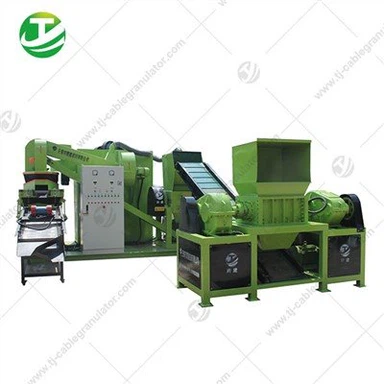
How To Extend The Service Life Of Vulnerable Parts in A Cable Recycling Machine
Jun 17, 2026
1. Standardize Operations to Reduce Abnormal Losses
Control Feed Speed and Size: Avoid forcing in excessive amounts or oversized cables (e.g., Φ>30mm) to prevent excessive impact on the cutting tools, which could lead to chipping.
Remove Impurities: Remove mud, oil, metal fragments, and other foreign objects before feeding to reduce scraping and clogging of the screen and bearings.
Prohibit Overloading: Adhere to the equipment's rated processing capacity (e.g., 500kg/h) to avoid prolonged overheating of the motor and transmission system, which accelerates component aging.
2. Regular Lubrication and Cleaning for Smooth Operation
Bearing Lubrication: Add high-temperature grease every 150 hours of operation to prevent overheating from dry grinding; replace aged seals promptly.
Screen and Air Duct Cleaning: After daily shutdown, remove accumulated material from the screen bottom and dust from the air separation channel to prevent blockages affecting sorting efficiency.
Dust Collection System Maintenance: Inspect the bag filter weekly; ensure the pulse cleaning system has normal air pressure and maintains a dust collection efficiency of ≥99%.
3. Use High-Wear-Resistant Components to Enhance Durability
Upgraded Tool Material: Prioritize carbide or high-chromium alloy steel blades, extending their lifespan by 2-3 times compared to ordinary steel.
Industrial-Grade Bearings and Belts: Utilize NSK, SKF, and other brand bearings, paired with high-temperature resistant V-belts for enhanced fatigue resistance.
4. Condition Monitoring and Timely Replacement Establish a replacement record for vulnerable parts and predict replacement cycles based on actual wear:
Blades: Inspect the cutting edge when processing 80-100 tons; sharpen or replace if dulled.
Screen: Inspect for deformation and blockage every 3 months.
Dust Collector Bags: Assess permeability after 6 months of continuous operation; clean or replace if pressure differential increases.
During operation, pay attention to abnormal signals such as unusual noises, vibrations, and temperature increases; immediately stop the machine and investigate.
5. Improve the Working Environment to Delay Aging
Place the equipment in a dry, well-ventilated workshop to prevent rainwater erosion and corrosive gases from damaging metal components.
During periods of high summer temperatures, enhance heat dissipation to prevent premature aging of motors and bearings due to poor heat dissipation.