

How to adjust the pressure in a granulator machine?
Jul 18, 2026
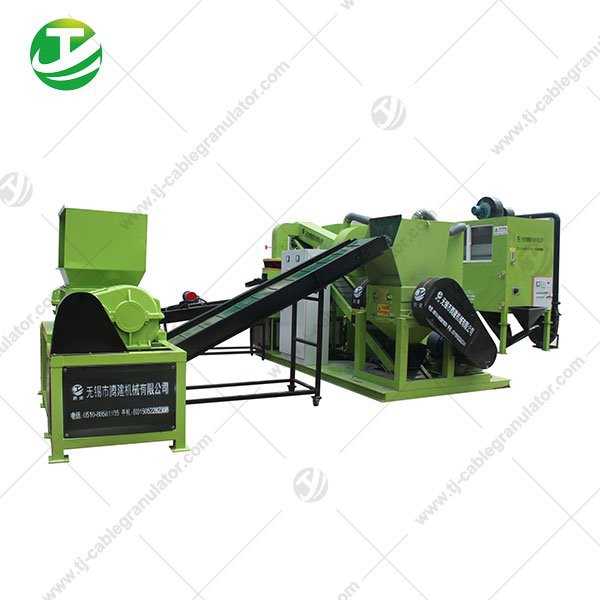
Hey there! As a supplier of granulator machines, I've seen firsthand how crucial it is to get the pressure right in these machines. Whether you're using a Cable Wire Granulator Machine, a Copper Wire Scrap Recycling Machine, or a Scrap Copper Wire Cable Granulator, proper pressure adjustment can make a huge difference in the performance and efficiency of your equipment. In this blog post, I'll share some tips on how to adjust the pressure in a granulator machine.

Understanding the Importance of Pressure in a Granulator Machine
First off, let's talk about why pressure is so important in a granulator machine. Pressure plays a key role in the granulation process. It helps to compact the material being granulated, ensuring that the granules are of the right size, shape, and density. If the pressure is too low, the granules may be too loose and crumbly, which can lead to issues during handling and storage. On the other hand, if the pressure is too high, it can cause excessive wear and tear on the machine, and may even damage the product being granulated.
Factors Affecting Pressure in a Granulator Machine
Before we dive into how to adjust the pressure, it's important to understand the factors that can affect it. Here are some of the main factors:
- Material Properties: Different materials have different characteristics, such as density, moisture content, and particle size. These properties can affect how the material behaves under pressure. For example, a material with a high moisture content may require more pressure to compact than a dry material.
- Machine Design: The design of the granulator machine, including the type of die, the size of the feed opening, and the speed of the rotating parts, can also influence the pressure. Some machines are designed to operate at a specific pressure range, so it's important to choose a machine that is suitable for your needs.
- Operating Conditions: The operating conditions, such as the temperature and humidity of the environment, can also have an impact on the pressure. For example, high humidity can make the material more sticky, which may require more pressure to granulate.
Steps to Adjust the Pressure in a Granulator Machine
Now that we understand the importance of pressure and the factors that can affect it, let's look at the steps to adjust the pressure in a granulator machine.
Step 1: Check the Machine Manual
The first step is to check the machine manual. The manual will provide specific instructions on how to adjust the pressure for your particular machine. It may also include information on the recommended pressure range for different materials. Make sure to follow the instructions carefully to avoid damaging the machine.
Step 2: Inspect the Machine
Before making any adjustments, it's important to inspect the machine for any signs of damage or wear. Check the die, the feed screw, and the other components for any cracks, chips, or other issues. If you find any problems, it's best to have them repaired before adjusting the pressure.
Step 3: Adjust the Feed Rate
The feed rate can have a significant impact on the pressure in the granulator machine. If the feed rate is too high, the machine may not be able to handle the material, which can lead to an increase in pressure. On the other hand, if the feed rate is too low, the pressure may be too low. You can adjust the feed rate by changing the speed of the feed screw or the size of the feed opening.
Step 4: Adjust the Die Gap
The die gap is the distance between the die and the rotating parts of the machine. Adjusting the die gap can affect the pressure in the granulator machine. If the die gap is too wide, the pressure may be too low, and the granules may be too loose. If the die gap is too narrow, the pressure may be too high, and the machine may overheat. You can adjust the die gap by using the adjustment screws on the machine.
Step 5: Monitor the Pressure
Once you've made the adjustments, it's important to monitor the pressure in the granulator machine. Most machines are equipped with a pressure gauge that can help you keep track of the pressure. Make sure to check the pressure regularly and make any necessary adjustments to ensure that the pressure is within the recommended range.
Troubleshooting Pressure Issues
Even if you follow the steps above, you may still encounter pressure issues in your granulator machine. Here are some common problems and their solutions:
- Low Pressure: If the pressure is too low, it may be due to a clogged feed opening, a worn die, or a problem with the feed screw. Check the feed opening for any blockages and clean it if necessary. Replace the die if it is worn or damaged. Check the feed screw for any signs of wear or damage and replace it if needed.
- High Pressure: If the pressure is too high, it may be due to a too high feed rate, a too narrow die gap, or a problem with the machine's lubrication system. Reduce the feed rate and adjust the die gap to the recommended setting. Check the lubrication system for any issues and make sure that the machine is properly lubricated.
- Fluctuating Pressure: If the pressure is fluctuating, it may be due to a problem with the machine's control system or a variation in the material properties. Check the control system for any faults and make sure that it is functioning properly. If the material properties are varying, try to adjust the feed rate or the pressure to compensate for the changes.
Conclusion
Adjusting the pressure in a granulator machine is an important part of ensuring its proper operation and performance. By understanding the factors that affect pressure, following the steps to adjust the pressure, and troubleshooting any issues that may arise, you can keep your granulator machine running smoothly and efficiently.
If you're in the market for a granulator machine or need help with pressure adjustment, don't hesitate to reach out. We're here to assist you with all your granulator machine needs. Whether you're looking for a Cable Wire Granulator Machine, a Copper Wire Scrap Recycling Machine, or a Scrap Copper Wire Cable Granulator, we have the expertise and products to meet your requirements. Contact us today to start a discussion about your granulation needs.