

How much power does a cable separating machine consume?
Sep 04, 2026
When it comes to the operation of a cable separating machine, one of the most frequently asked questions is about its power consumption. As a supplier of cable separating machines, I understand the significance of this query, as power consumption directly impacts the operational cost and efficiency of the equipment. In this blog, I will delve into the factors that influence the power consumption of a cable separating machine and provide a comprehensive analysis to help you understand how much power it actually consumes.
Factors Affecting Power Consumption
Machine Size and Capacity
The size and capacity of a cable separating machine play a crucial role in determining its power consumption. Generally, larger machines with higher processing capacities require more power to operate. This is because they are equipped with more powerful motors and larger components to handle a greater volume of cables. For example, a small-scale cable separating machine designed for home or small workshop use may have a power rating of around 1 - 3 kilowatts (kW). On the other hand, industrial-grade machines with high production capacities can consume anywhere from 10 kW to over 100 kW, depending on their design and specifications.
Type of Cable
The type of cable being processed also affects the power consumption of the separating machine. Different cables have different physical properties, such as insulation material, thickness, and copper content. Cables with thick insulation or hard-to-separate materials require more energy to break down and separate. For instance, rubber-insulated cables are more difficult to process compared to PVC-insulated cables, as rubber has a higher density and greater flexibility. As a result, the machine needs to exert more force to separate the copper from the insulation, leading to increased power consumption.
Separation Technology
There are various separation technologies used in cable separating machines, and each technology has its own power requirements. The most common methods include mechanical separation, electrostatic separation, and chemical separation. Mechanical separation relies on physical force to break the cable into smaller pieces and separate the copper from the insulation. This method typically requires a significant amount of power to drive the cutting, crushing, and screening components. Electrostatic separation, on the other hand, uses an electrostatic field to separate the copper and insulation particles based on their different electrical properties. While this method is more energy-efficient than mechanical separation, it still requires power to generate the electrostatic field. Chemical separation involves the use of chemicals to dissolve the insulation and extract the copper. This method can be highly energy-intensive, especially if the chemicals need to be heated or stirred during the process.
Operating Conditions
The operating conditions of the cable separating machine also have an impact on its power consumption. Factors such as the feed rate, speed of the machine, and ambient temperature can all affect the energy required for operation. A higher feed rate means that the machine needs to process more cables in a given time, which can increase the power consumption. Similarly, running the machine at a higher speed requires more power to drive the components. Additionally, extreme ambient temperatures can affect the performance of the machine and increase the power consumption. For example, in hot weather, the machine may need to work harder to dissipate heat, resulting in higher energy usage.
Power Consumption Analysis
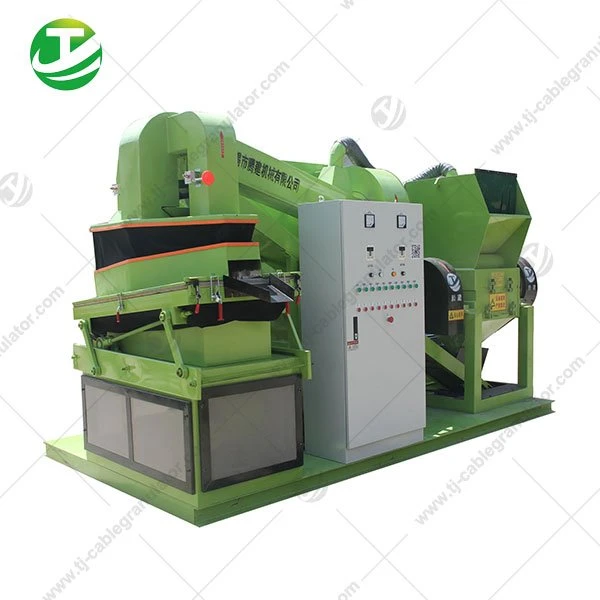
To provide a more accurate estimate of the power consumption of a cable separating machine, let's consider a specific example. Suppose we have a medium-sized cable separating machine with a processing capacity of 500 kilograms per hour. This machine uses mechanical separation technology and is equipped with a 15 kW motor.
Under normal operating conditions, with a feed rate of 500 kilograms per hour and a moderate speed, the machine may consume around 12 - 13 kW of power on average. However, if the feed rate is increased to 800 kilograms per hour, the power consumption may rise to 15 - 16 kW. Similarly, if the machine is running at a higher speed to achieve a faster processing time, the power consumption can increase further.
It's important to note that these are just rough estimates, and the actual power consumption may vary depending on the specific model of the machine, the type of cables being processed, and the operating conditions. To get a more accurate understanding of the power consumption of a particular cable separating machine, it's recommended to consult the manufacturer's specifications or conduct a power consumption test.
Energy Efficiency Measures
As a supplier of cable separating machines, we are committed to providing energy-efficient solutions to our customers. Here are some energy efficiency measures that can be implemented to reduce the power consumption of the machine:
Optimize the Feed Rate
By adjusting the feed rate to match the processing capacity of the machine, you can ensure that the machine is operating at its optimal efficiency. Avoid overfeeding the machine, as this can lead to increased power consumption and reduced separation efficiency.
Use High-Efficiency Motors
Invest in machines that are equipped with high-efficiency motors. These motors are designed to consume less energy while providing the same level of performance. They can significantly reduce the power consumption of the machine over time.

Regular Maintenance
Regular maintenance of the cable separating machine is essential to ensure its optimal performance. Keep the machine clean, lubricate the moving parts, and replace any worn-out components. A well-maintained machine operates more efficiently and consumes less power.
Implement Energy Management Systems
Energy management systems can be used to monitor and control the power consumption of the machine. These systems can adjust the operating parameters of the machine based on the load and demand, ensuring that the machine is using energy efficiently.
Conclusion
In conclusion, the power consumption of a cable separating machine depends on several factors, including the machine size and capacity, the type of cable, the separation technology, and the operating conditions. By understanding these factors and implementing energy efficiency measures, you can reduce the power consumption of the machine and lower your operational costs.
If you are interested in purchasing a cable separating machine or have any questions about power consumption, please feel free to contact us. We are a leading supplier of Scrap Copper Wire Cable Granulating Machine, Scrap Copper Wire Granulator Machine, Cable Copper Granulator Machine, Copper Wire Separating Machine, and Copper Wire Recycling Machinery. Our team of experts can provide you with detailed information and guidance to help you make the right choice for your needs.